
《Jiang Hai Chao Sheng》Written about Zhang Jian who abandoned his official position and went into business, and also wrote about how Nantong moved into modern times
- Auth:Holy Son
- Oct 11, 2026
Zhang Jian's shift from official career to industry brought about changes far beyond a factory.The TV series - Jiang Hai Chao Sheng - connects Dasheng Cotton Mill, coastal reclamation, new schools and urban construction, and tells the process of Nantong's modernization along the life choices of a scholar.
Zhang Jian's identities as the number one scholar in the late Qing Dynasty, an industrialist, and an educator are all intertwined in Zhang Jian's body. The drama needs to explain the transition between identities clearly.In the late Qing Dynasty, which was plagued by internal and external troubles, the economic forces of great powers entered the country, ideological trends clashed in the court, and the livelihood of local people faced difficulties again.It was in such an environment that Zhang Jian chose to abandon his official position and go into business.

Setting up a factory requires funds, operations will encounter competition from the same industry, and construction plans are affected by the current situation and different ideas.The plot puts these obstacles into decision-making and puts the idea of industrial rejuvenation to practical tests.Zhang Jian's responsibility for family and country, Confucian businessman concepts and modernization exploration are all presented through how he does things.
The city also changes with the actions of the characters.National industries such as Dasheng Cotton Mill provided the industrial foundation, and coastal wastelands were gradually developed for reclamation and animal husbandry. Normal schools, public museums, and new schools such as textiles, embroidery, and blind and dumb schools expanded local education.Modern hospitals, parks, roads, weather stations and other public facilities were built one after another. Industry, education, urban construction and public welfare were connected together to form Nantong's modern urban system.
The title of %China's First City in Modern Times has a visible origin in the play.
The lens preserves the reeds on the river beach, the shadows of sails on the canal, the riverside houses and old-style workshops.These regional landscapes and restoration scenes provide specific space for urban changes.The clothing of officials and gentry, market utensils, and local folk customs put the era into the details of the characters' lives.
The rhythm of the whole play leaves some daily life: how the neighbors make a living, how the new education enters the place, how the customs are continued, and how the relationships between people are exchanged.In addition to shopping mall games and current disputes, the audience can also see people living in the city.Changes in industries, buildings and public facilities are thus connected with the lives of ordinary people.
The shaping of Zhang Jian also needs to be based on the actual situation.How to choose between officials and businessmen, how the ideal of saving the country turns into actions to set up factories and schools, and how to continue in the face of financial crisis, peer strife and ideological conflicts, constitute the main contradiction of the characters.A local intellectual's responsibility to his hometown gradually becomes clear with these choices.
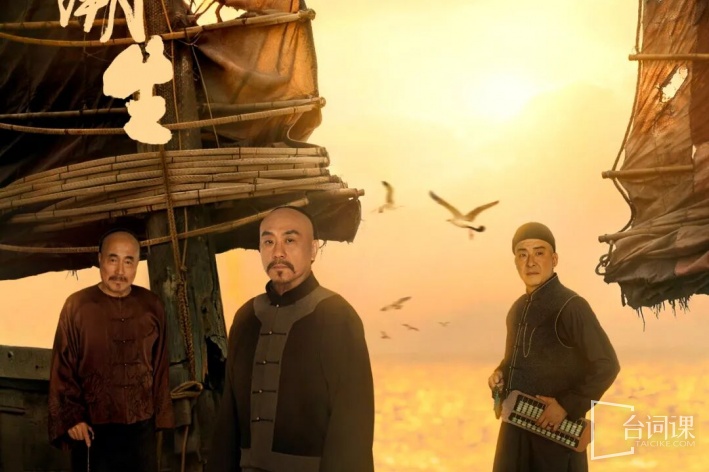
Jiang Hai Chao Sheng
You Might Like
Website Disclaimer: The content of “《Jiang Hai Chao Sheng》Written about Zhang Jian who abandoned his official position and went into business, and also wrote about how Nantong moved into modern times” on this site is provided by user "DuneDreamer" and is for display purposes only. Copyright belongs to the original author. If your rights have been infringed, please contact us, and we will remove it as soon as possible.
If your rights are infringed, let us know, and we will remove it ASAP